
Source
Vendors · purchasing · cost updates
Building Supply & Distribution
Loginect helps building-supply and distribution businesses modernize systems, product data, ecommerce, infrastructure, reporting, inventory workflows, and multi-location operations without losing sight of how the business actually moves material and serves customers.
Physical operations, customer service, systems, and digital sales all have to meet in the same operating model.
Vendors · purchasing · cost updates
Inventory · yard · warehouse · branches
Counter · phone · outside sales · ecommerce
Pickup · delivery · jobsite · customer service
Margins · reporting · demand · customer data
Industry context matters
Building-supply and distribution businesses are not purely digital environments. Product data, systems, networks, websites, and reporting all have to coexist with counters, yards, warehouses, trucks, vendors, contractors, and multiple ways customers place orders.
That makes technology decisions operational decisions. Loginect looks across the whole flow rather than treating each system as an isolated project.
Where friction shows up
The visible issue may be inventory, ecommerce, reporting, infrastructure, or product data, but the cause often crosses several parts of the business.
Growth, locations, inventory complexity, pricing, purchasing, or reporting may have outgrown the current business system.
Descriptions, categories, costs, pricing, vendor data, images, attributes, and ecommerce content may live in too many places.
Counter sales, ecommerce, accounting, inventory, delivery, CRM, or vendor information is moving manually between disconnected systems.
The website or ecommerce experience may be disconnected from product data, customer needs, inventory realities, or how contractors actually buy.
Computers, networks, Wi-Fi, storage, Microsoft 365, remote access, security, and support have to work in offices, counters, warehouses, and yards.
Leadership needs clearer reporting, stronger customer data, more useful marketing, or a better view of what products, locations, and channels are actually performing.
Catalog structure, vendor data, attributes, images, descriptions, pricing, and customer-facing content should not require repeated manual reconstruction.
The system should support purchasing, inventory, sales, customers, locations, reporting, and integrations at the level the business actually needs.
Devices, networks, cloud services, storage, access, and support should become easier to operate as the business grows.
Technology should support the way customers actually research, quote, order, pick up, receive, and repeat business.
Reporting should connect products, customers, locations, sales, margins, and operating information instead of creating another disconnected dashboard.
What tends to matter
The exact priorities depend on the business, but these are common points where a stronger technology model can remove friction and support growth.
How Loginect approaches it
The process connects strategy and implementation so changes can be evaluated against real purchasing, inventory, sales, fulfillment, customer, location, and reporting workflows.
Understand how material, information, customers, and money move from vendors through inventory, sales, fulfillment, and reporting.
Identify ERP, accounting, ecommerce, product data, infrastructure, reporting, vendors, integrations, and manual workarounds.
Separate the immediate constraint from useful later improvements so investment follows the operating need.
Choose the right mix of business systems, infrastructure, web, data, integration, automation, and process change.
Coordinate internal staff, software vendors, developers, infrastructure resources, and specialists without losing the business requirement.
Test real counter, purchasing, inventory, ecommerce, fulfillment, reporting, and support workflows before treating the work as complete.
Use what the business learns after implementation to refine systems, product data, customer experience, locations, and reporting.
Where this fits
Loginect is most useful when the business has enough operating history to know where friction exists and is prepared to act when the business case is clear.
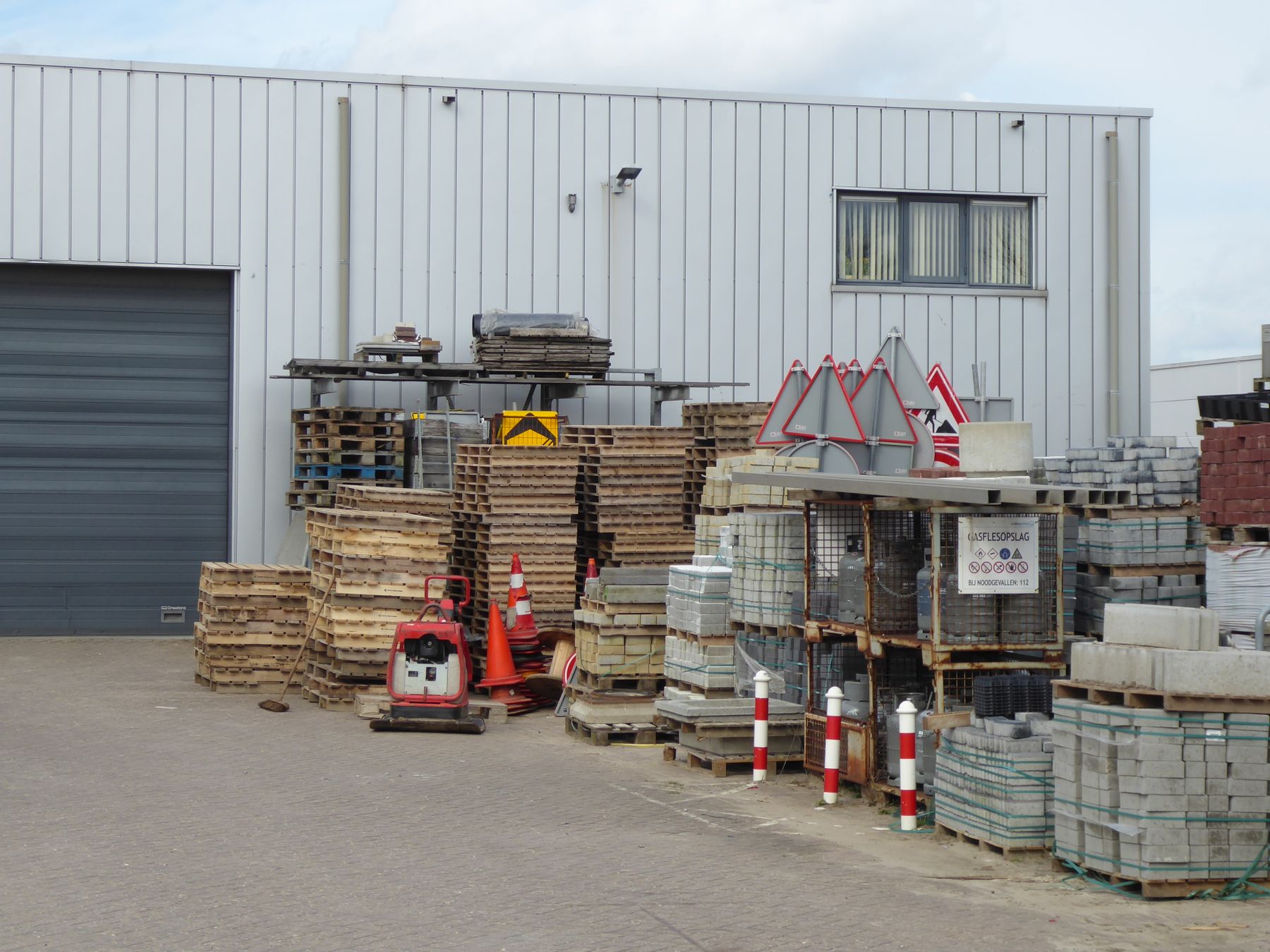
Operating context matters
Product data, inventory, purchasing, counter sales, quoting, delivery, ecommerce, accounting, and multi-location operations all touch the same customer promise.
Common technology environment
The right platform depends on the operating model. Loginect can work across the technologies already in place while helping determine what should stay, change, connect, or be replaced.
The platform is not the strategy.
Built around the operation
A successful modernization should make it easier to buy, stock, sell, fulfill, report, support customers, and operate locations — without creating a stack the business cannot realistically own.
Explore Business Systems & ERPStart with the operation
Start with the system, location, product-data problem, ecommerce issue, reporting gap, or workflow that is taking too much manual effort.