Manufacturing & Wholesale
Modernize the systems around the operation without disrupting the operation itself.
Loginect helps manufacturers and wholesalers improve business systems, purchasing, inventory, product data, order flow, reporting, ecommerce, integrations, and infrastructure around the way the company actually buys, makes, stocks, sells, and ships.
The right modernization path respects the process knowledge already inside the business.
OPERATING SYSTEMInformation should move with the work.
IllustrativeMODERNIZATION GOALLess re-entry · clearer ownership · better information · supportable systems
Modernization around a real operation
The software has to fit the work — not force the work to fit the software.
Manufacturing and wholesale businesses often accumulate systems around purchasing, inventory, products, orders, customers, reporting, ecommerce, and physical operations over many years.
Loginect helps leadership understand what should stay, what should change, what should connect, and where the process itself needs to evolve before more technology is added.
Where friction shows up
Operational technology problems rarely stay inside one application.
ERP, data, infrastructure, ecommerce, reporting, and manual workflows interact with one another, so the modernization plan has to account for the full operating environment.
The business system is carrying too many workarounds
ERP, accounting, inventory, purchasing, or order management may no longer reflect the way the operation has grown.
Critical processes depend on spreadsheets and tribal knowledge
Planning, purchasing, inventory, pricing, orders, reporting, or customer workflows may depend too heavily on manual handoffs.
Product and operational data is inconsistent
Products, costs, inventory, customers, pricing, reporting, and source data may not agree across systems or departments.
Systems do not move information cleanly
ERP, ecommerce, CRM, accounting, shipping, reporting, and specialized applications may require repeated entry or reconciliation.
The technology environment has grown unevenly
Devices, networks, cloud services, remote access, storage, and support may have accumulated without a clear modernization path.
Leadership needs a practical modernization roadmap
The company knows several systems need attention but needs help sequencing investment without disrupting day-to-day operations.
Understand how the work actually moves.
Planning, purchasing, inventory, production, sales, fulfillment, and reporting need to be mapped before changing the technology around them.
Fit ERP and business applications to the operating requirement.
The business may need a larger platform, a simpler one, better configuration, or stronger connections between existing systems.
Create a more reliable information layer.
Product, inventory, order, customer, cost, and reporting data should support decisions without constant manual reconciliation.
Reduce re-entry without creating fragile custom infrastructure.
Connections should be proportionate to transaction volume, business importance, and the long-term support model.
Modernize the process, not only the software.
A better system may require changes in how the business works instead of recreating every legacy workaround in a newer platform.
What tends to matter
Modernization should improve the process, the information, and the systems around both.
The details vary by company, but these are common decision areas when an established operation has outgrown part of its technology environment.
How Loginect approaches it
Modernize deliberately without losing the operating knowledge already inside the company.
The process is designed to reduce risk around business systems and connected workflows while still challenging legacy processes that no longer deserve to be preserved.
Understand
Map the operating model, business priorities, process dependencies, current systems, and where manual work is creating the most drag.
Assess
Review ERP, accounting, purchasing, inventory, product data, infrastructure, ecommerce, reporting, integrations, and support.
Prioritize
Sequence required changes around operating risk, business value, timing, and what can realistically be absorbed by the organization.
Design
Choose the architecture, platforms, process changes, integration approach, data work, and implementation resources that fit the business.
Implement
Coordinate vendors, specialists, developers, internal teams, migration, configuration, infrastructure, and connected systems.
Verify
Test real purchasing, inventory, order, fulfillment, reporting, and exception workflows instead of relying only on project completion status.
Improve
Refine processes, reporting, integration, automation, and system use as the organization learns from the new operating environment.
Where this fits
Best for established product businesses making real operating-system decisions.
Loginect is most useful when leadership needs an independent layer across software, vendors, internal process owners, data, infrastructure, and implementation.
- Established manufacturers, wholesalers, importers, distributors, and product businesses with meaningful operating workflows.
- Organizations modernizing ERP, purchasing, inventory, product data, order flow, reporting, ecommerce, or the integrations around them.
- Leadership teams that need to coordinate software vendors and technical specialists without losing the business requirement.
- Companies prepared to improve processes when the current workflow should not simply be recreated inside new software.
- Loginect is not positioned as a specialist in every manufacturing execution or plant-floor platform; deeper specialist resources can be coordinated where appropriate.
- The right modernization path may include process change rather than replicating every legacy step.
- Complex requirements, vendor evaluation, or migration planning may require paid discovery before final implementation scope is defined.
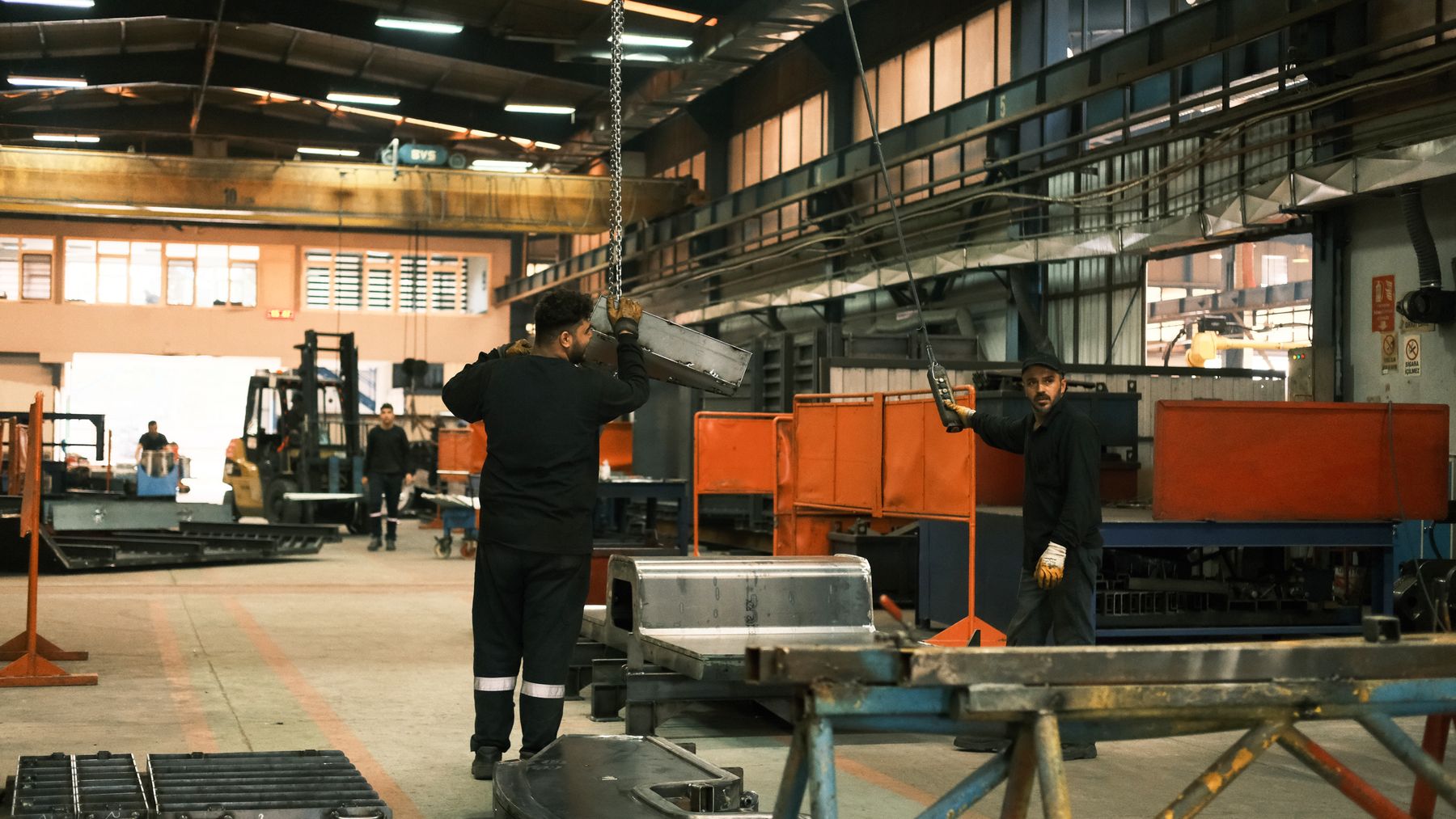
Operating context matters
Modernize around the operation without making the operation wait for the technology.
Planning, purchasing, production, inventory, sales, shipping, reporting, and the systems around them need a model that respects how work actually moves.
PlanningPurchasingProductionInventoryShippingReporting
Common technology environment
The stack often crosses ERP, accounting, cloud, ecommerce, data, and infrastructure.
The platform mix depends on the operation. Loginect can work across existing systems while helping determine what should remain, be reconfigured, integrate, migrate, or be replaced.
NetSuiteQuickBooks / IntuitMicrosoftMicrosoft 365AzureAWSGoogle CloudWordPressWooCommerceBigCommerce
The platform is not the strategy.
Protect the operation while changing the systems
A modernization project should create better visibility and less friction without turning day-to-day operations into an experiment.
Loginect keeps the implementation tied to the operating requirement and can coordinate specialists where deeper software, integration, or industry expertise is needed.
Explore Business Systems & ERPStart with the operating friction
Tell us where the systems no longer fit the way the business works.
Start with ERP, inventory, purchasing, reporting, product data, integrations, infrastructure, ecommerce, or the manual workaround that should not still exist.